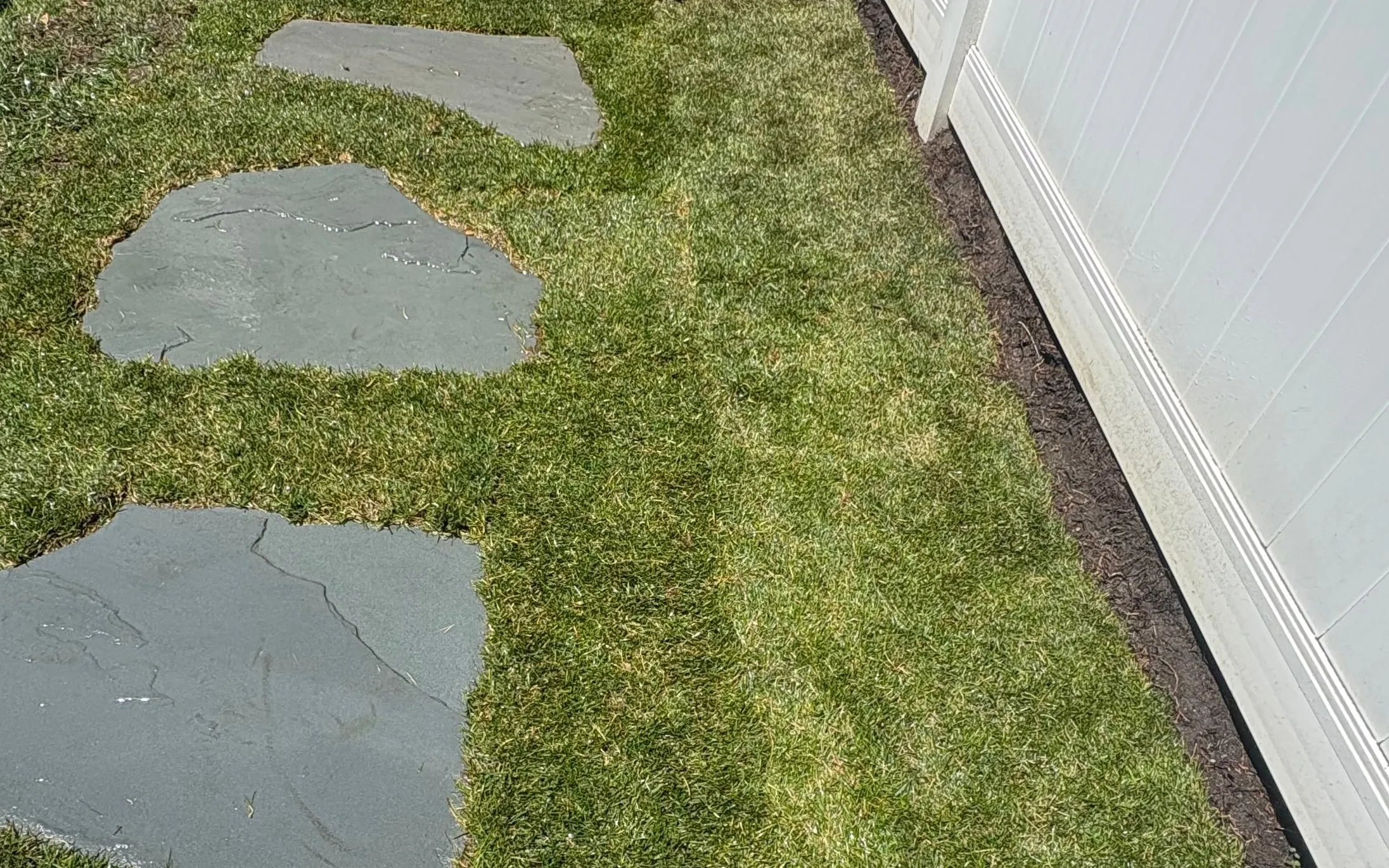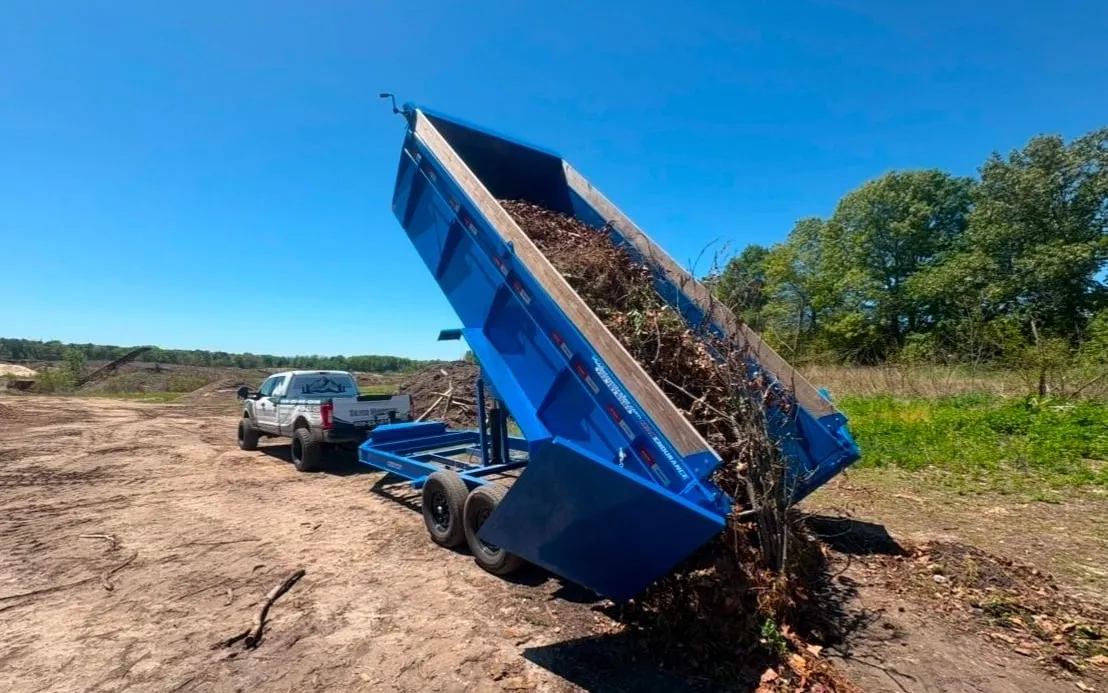
Most struggling lawns in Central New Jersey don’t have a grass problem. They have a soil problem: compacted ground, thin topsoil left behind by the builder, low spots that hold water, and years of weeds crowding out turf. Throwing seed on top of that rarely works for long.
Our lawn renovations start underneath. We correct the grade, bring in screened topsoil where it is needed, and prepare a proper seedbed before any seed goes down. The result is a lawn that roots deeply, fills in evenly and keeps improving season after season.
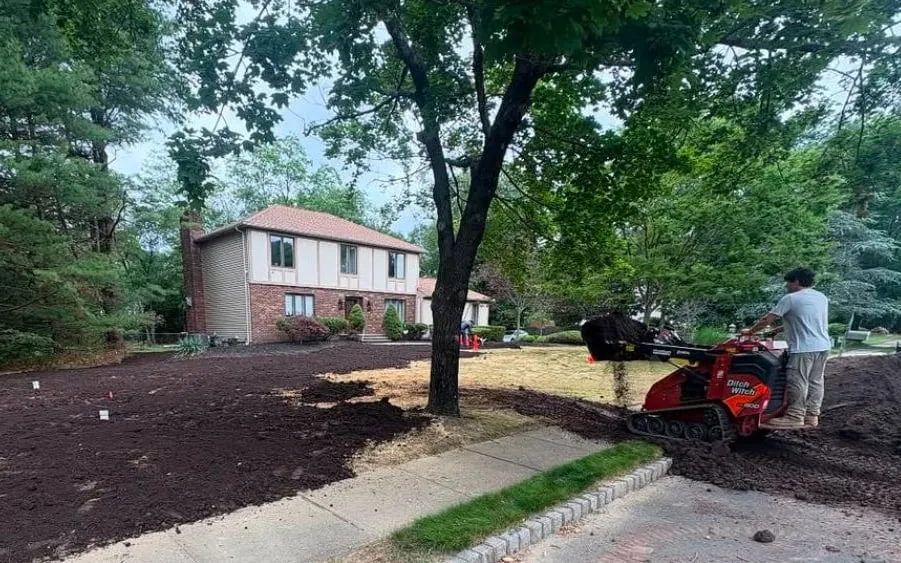
What Is Included
Topsoil installation
Screened topsoil spread and graded to give new grass the depth and nutrients it needs.
Grading & leveling
We fill low spots, smooth out ruts and bumps, and pitch the lawn so water moves away from the house.
Seeding & overseeding
Quality cool-season seed blends matched to your sun and shade, raked in for good seed-to-soil contact.
Problem-area repair
Bare patches, washouts, construction damage and the spots where nothing has ever grown.
Timing matters in New Jersey
Cool-season grasses like tall fescue, Kentucky bluegrass and perennial ryegrass establish best from late summer into early fall, when the soil is warm, the nights are cool and weeds are slowing down. Spring is the second-best window. We schedule renovations around those windows so your seed has the best chance to take.
How It Works
- Consultation. We walk the property with you and look at what the job involves and what you want the finished result to be.
- Plan & Estimate. You get a clear written scope and price. No surprises and no pressure.
- The Work. Our crew shows up on the day we said, does the job properly and keeps the site clean.
- Walkthrough. We go over the finished work together and answer any questions about looking after it.
What Affects the Cost
Every property is different, so we price each job after seeing it. These are the main factors:
- Lawn size. More square footage means more soil, seed and labor.
- Current condition. Heavy weeds, compaction or old construction debris add prep work.
- Topsoil needed. How many yards of soil the lawn needs is usually the biggest variable.
- Grading and drainage. Correcting low areas or standing water takes extra time and material.
Recent Work: Lawn Renovation & Topsoil
Lawn Renovation & Topsoil: Frequently Asked Questions
How long until I see results?
You will usually see germination within one to three weeks, depending on the seed blend and the weather. The lawn fills in over the following couple of months and keeps thickening through its first full growing season.
Do I really need new topsoil?
Not always. If your existing soil is decent, we may only need to loosen it and top-dress. If the lawn sits on a thin layer over clay, sand or fill, adding topsoil is what makes the renovation last. We will tell you honestly which situation you have.
When is the best time to renovate a lawn in New Jersey?
Late August through early October is ideal. Spring also works, but the new grass has to compete with crabgrass and summer heat. Fall renovations book up early, so reach out ahead of time.
How do I take care of the new lawn?
Keep the top layer of soil consistently moist with light, frequent watering until the grass is up, then water less often and more deeply. Hold off on mowing until the new grass reaches three to four inches. We leave you with simple care instructions.